
Empowering classroom with technology and engagement: Pear Deck experience in High school
By Thilini Wijewardana
Teaching is a dynamic profession that transcends cultural boundaries. My teaching experience in the United States was a transformative journey in personally and professionally. It has provided me with an opportunity to develop my knowledge and skills in teaching while engaging with students from diverse backgrounds. This article explores the teaching methodologies that I implemented and the challenges that I faced while I was conducting lessons at a high school in the United States.
While teaching in high school in the United States, I encountered many experiences and challenges. In the United States students have high technology literacy to handle technological equipment, which made them lower preference for taking notes. Furthermore, they demonstrated high critical thinking skills, and they valued autonomy in their learning. Therefore, one of the main challenges I faced was conducting the classes with technology. In the classroom, there was a laptop and a Smartboard, and all the students had a Chromebook provided by the school. To engage with the students, I conducted the classes by integrating with technological tools and applications. One of the tools I used was “Pear Deck”.
Pear Deck is an educational and interactive digital tool, accessible as an add-on when using Google Slides. It enables teachers to create dynamic presentations by incorporating interactive elements, such as polls, quizzes and open-ended questions. There are various creative templates for the beginning of the lesson, during the lesson and end of the lesson. Furthermore, templates for slides to develop students’ critical thinking and social-emotional learning. One of the unique features of this tool enables real-time viewing of students’ responses and the teacher can provide immediate feedback to them.
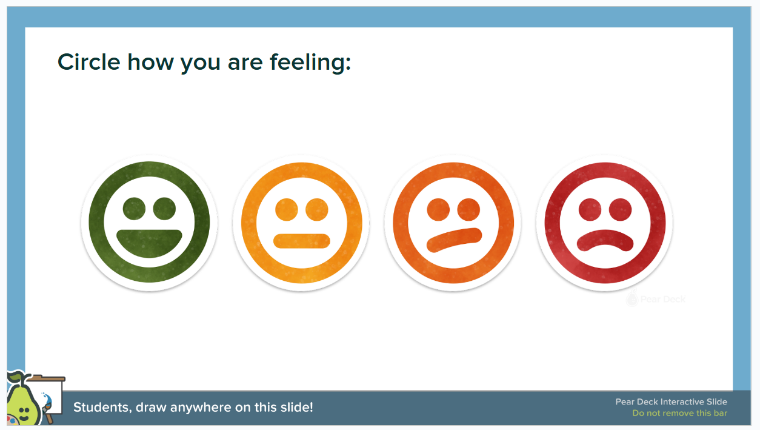
While I was teaching, I used Pear Deck at the beginning of the lesson to gauge students’ feelings, by asking them to select the emoji relevant to their current situation. This method helped me to provide effective reinforcement and feedback to motivate them, contributing to a positive learning environment. Additionally, it was an effective method to get the students’ attention to the lesson. During the lesson even I shared a slide with the question “Circle how you are feeling” and four different emoji such as happy, worried, confused and sad as answers. This allowed me to be aware of students’ feelings about the lesson content I had covered so far. At the end of the lesson even I used the same slide to analyze their emotions regarding what they had learned. This helped me to identify the students’ capacity for understanding. Based on the feedback, I changed the content of the lesson, sometimes adding more examples. Therefore, Pear Deck helps to analyze students at the same time to reflect on us as teachers.
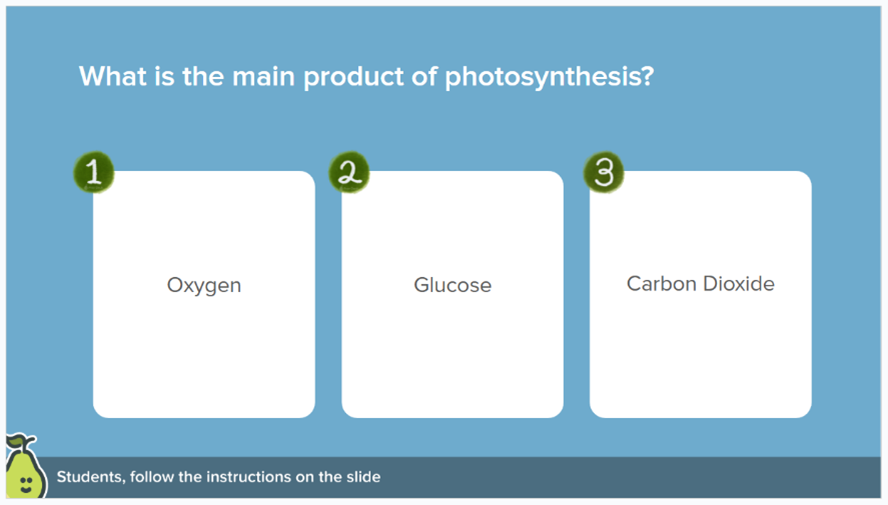
During the lesson, after inculcating a significant amount of content, I shared a slide with a question from the particular content and asked students to select the answer. This allowed me to identify the number of students who understood the content immediately. If a high number of students answered correctly, I moved to the next topic, if not I summarized the key points that I had explained previously.
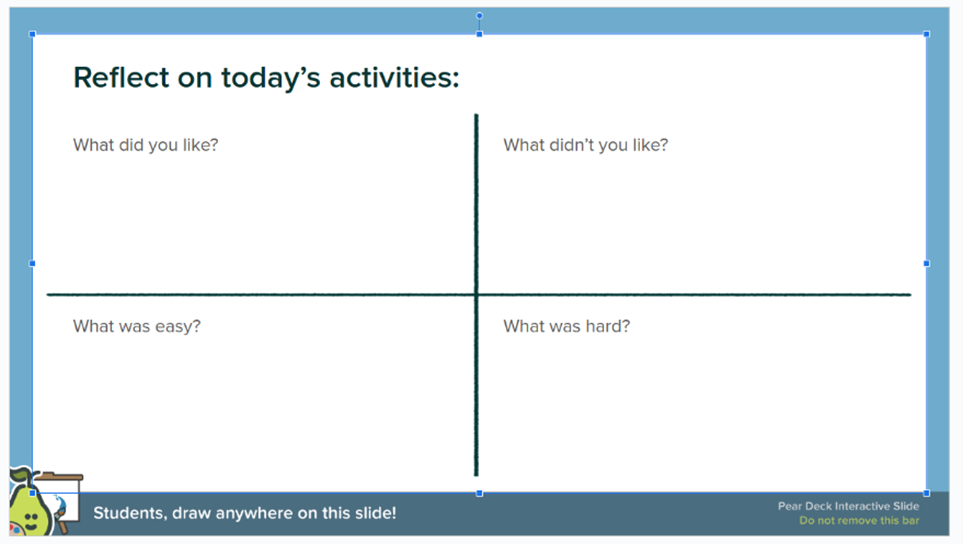
After the lesson, I focused on analyzing students’ retention and understanding ability; I shared the different types of slides, One was designed for the reflection. I asked the students to mention what did they like the most, what didn’t they like, what was easy for them and What was hard in the lesson. This method helped students to revise the lesson and think critically about their experience to find what is easy and challenging.
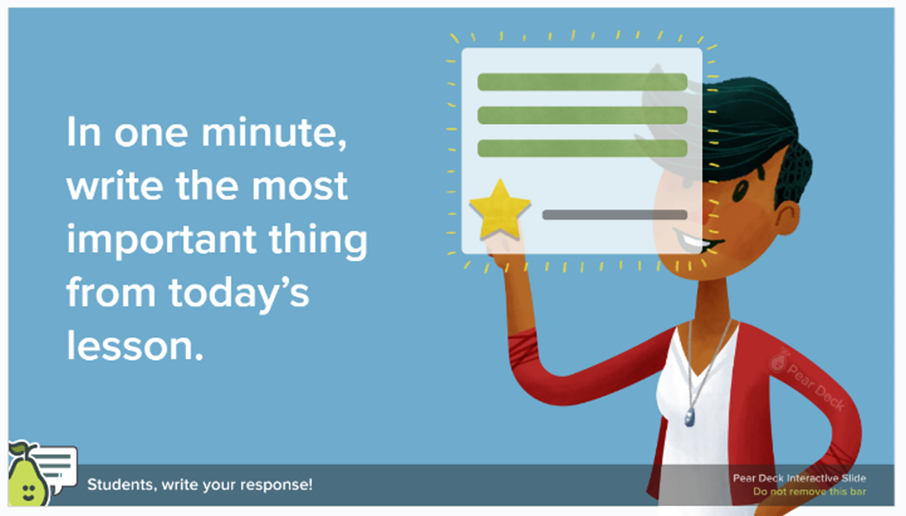
The second method was to ask students to write the most important thing about the lesson within one minute. This method helps students to refresh their memory and critically analyze the important key facts within a limited time.
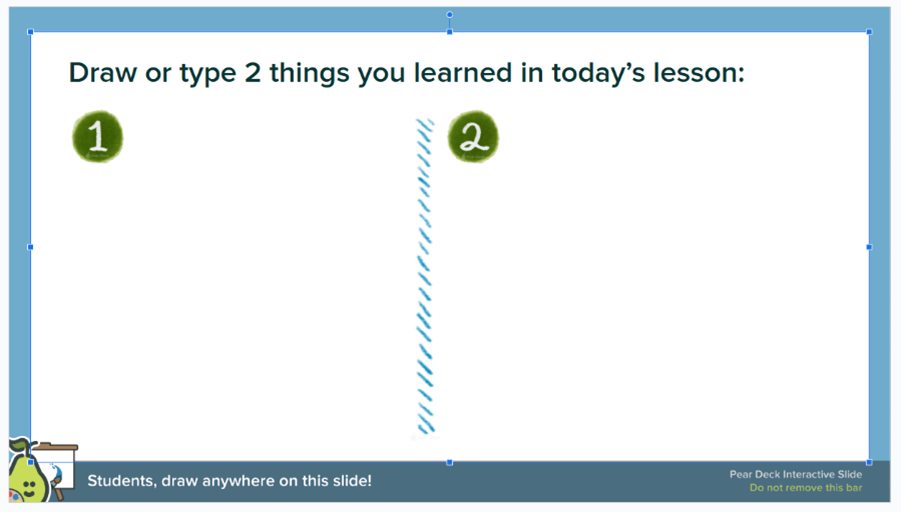
The third method involved asking students to draw two things that they learned from the lesson which helped them to enhance their creativity and critical thinking skills.
The fourth method was to ask students to write the facts that explain the lesson to an absent friend. These methods develop students’ creative thinking, critical thinking and communication skills.

Therefore, the Pear Deck tool is an effective tool to foster a positive learning environment and enhance students’ 21st-Century skills.
In summary, the teaching experience in the United States was transformative, focusing on the diverse challenges and methodologies used in the high school setting. One of the Key challenges was creating an interactive learning environment with technology. To effectively conduct the lesson, I integrated the teaching methodology with technology, by using the Pear Deck tool. I have used this tool at various points during the lesson to gauge students’ feelings, check understanding and adjust the content and way of teaching accordingly. Methods like summarizing lessons, and asking to draw or write further promote understanding and retention of the content.